
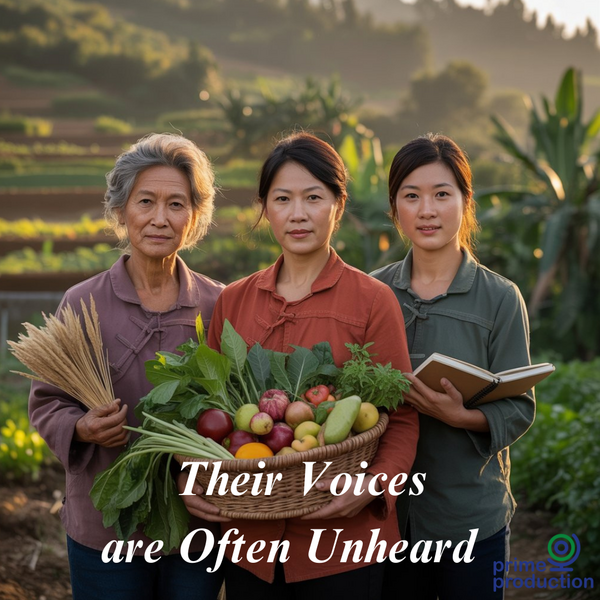
Women serve as vital knowledge keepers, food producers, and biodiversity guardians in their communities, preserving traditional practices in agriculture, medicine, and resource management.
Key Roles
They maintain seed diversity, medicinal plant knowledge, and sustainable land practices, acting as teachers and defenders of ecosystems against threats like deforestation. UN experts highlight their role as custodians of scientific skills in food systems, climate adaptation, and cultural transmission.
Challenges Faced
Their voices remain unheard due to compounded discrimination from gender, ethnicity, and systemic exclusion in policy-making and justice systems. Patriarchal norms, language barriers, and violence from extractive industries further marginalize them, limiting participation in decision-making.
Amplification Efforts
Initiatives like community mobilization and multilingual advocacy seek to empower them through legal training and policy inclusion. Examples include Himba women’s conservation leadership in Namibia and Andean groups restoring native forests. Linking to language access aligns with strategies for crisis-affected women, using visual aids and local interpreters















Leave A Comment